
Legs & everyday movement
PAD can narrow the arteries supplying your legs. Cramping or heaviness during walking that eases with rest may be a reason to ask about testing.

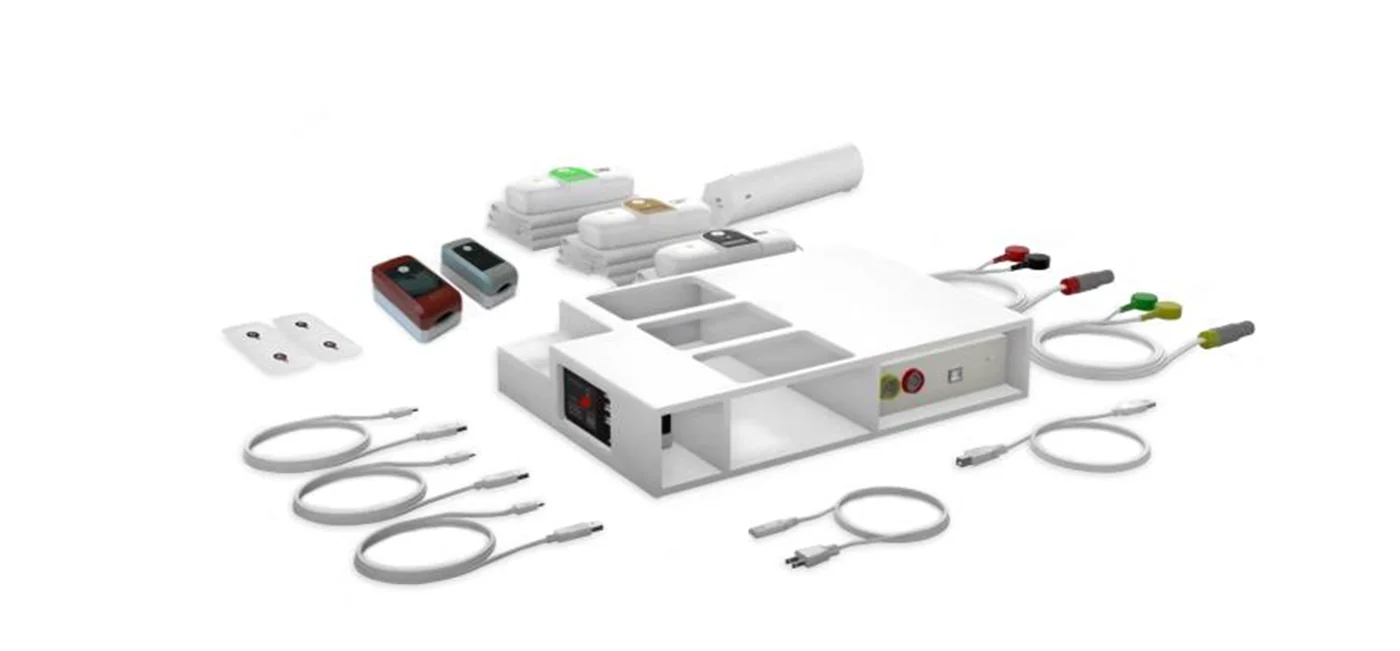
At Insulinic, TM Flow testing helps evaluate leg circulation and autonomic function through noninvasive measurements, interpreted by your care team.
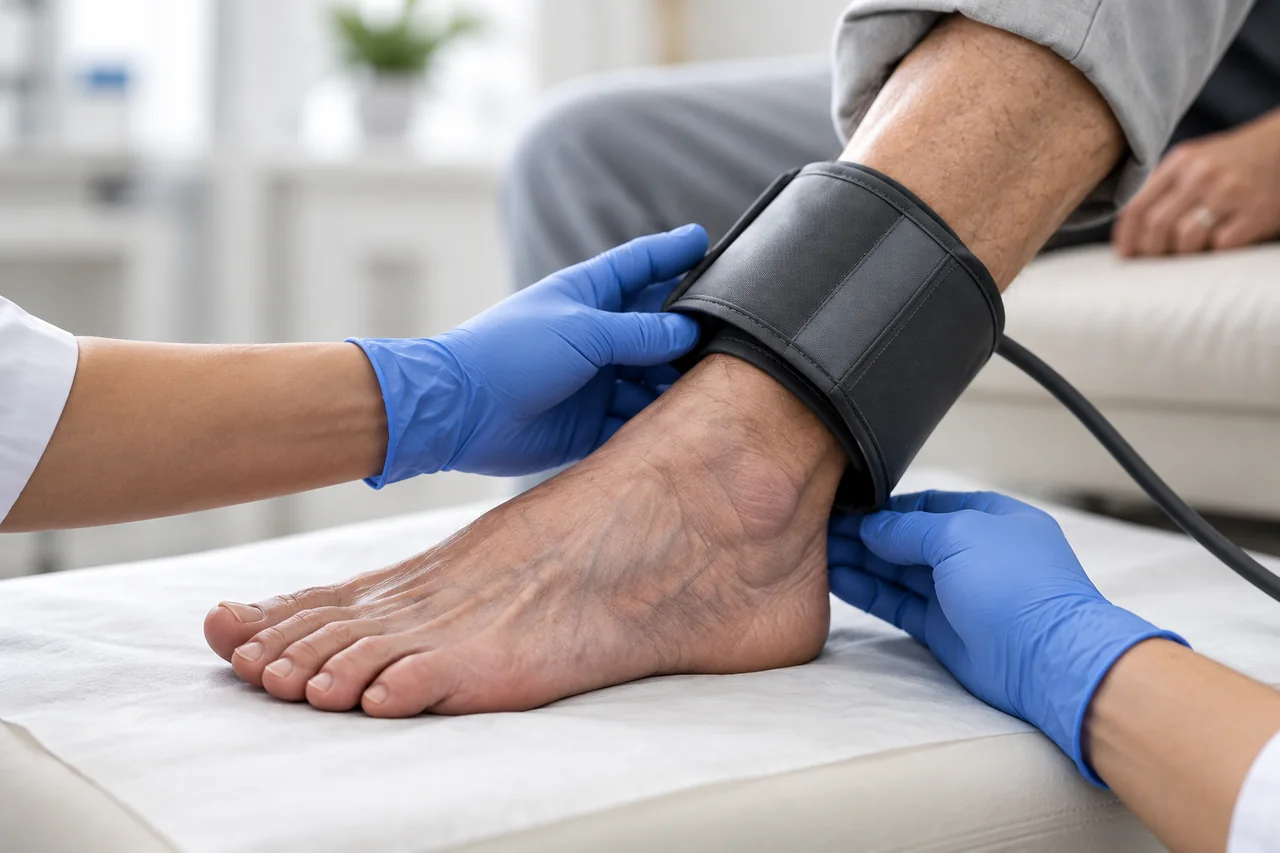 Leg circulation
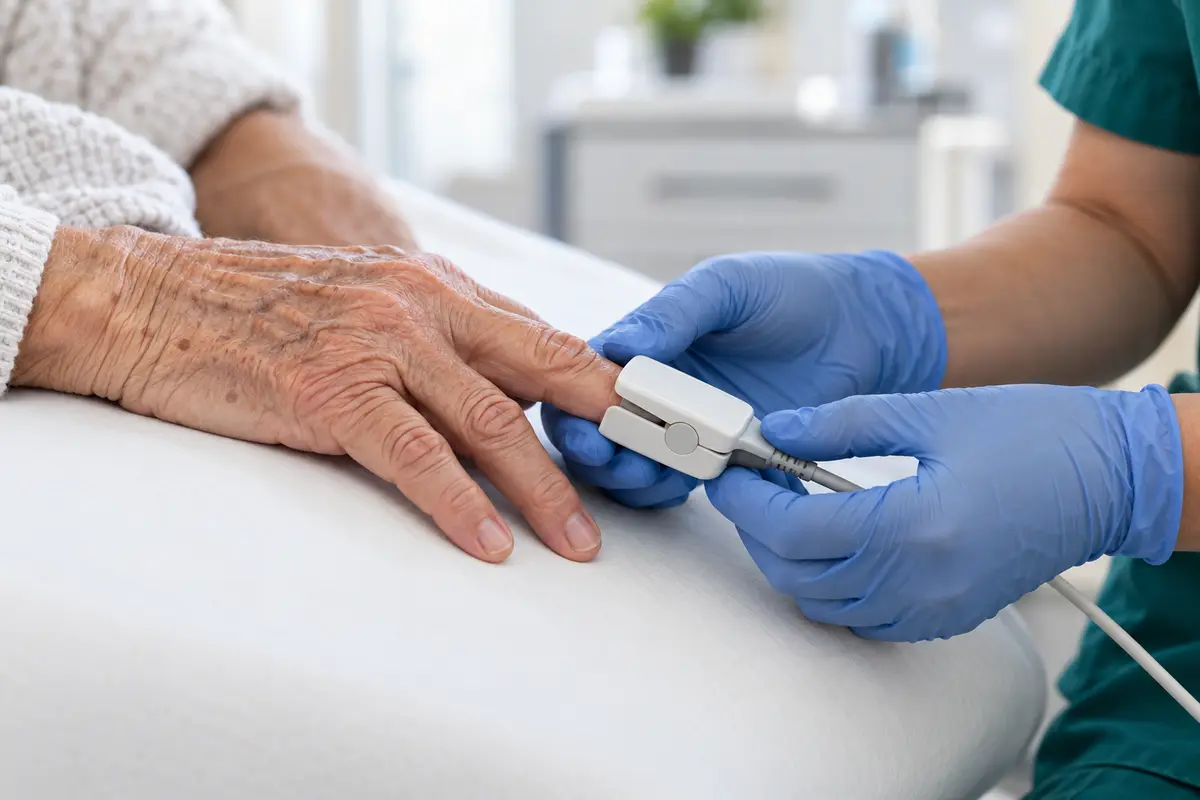 Autonomic function
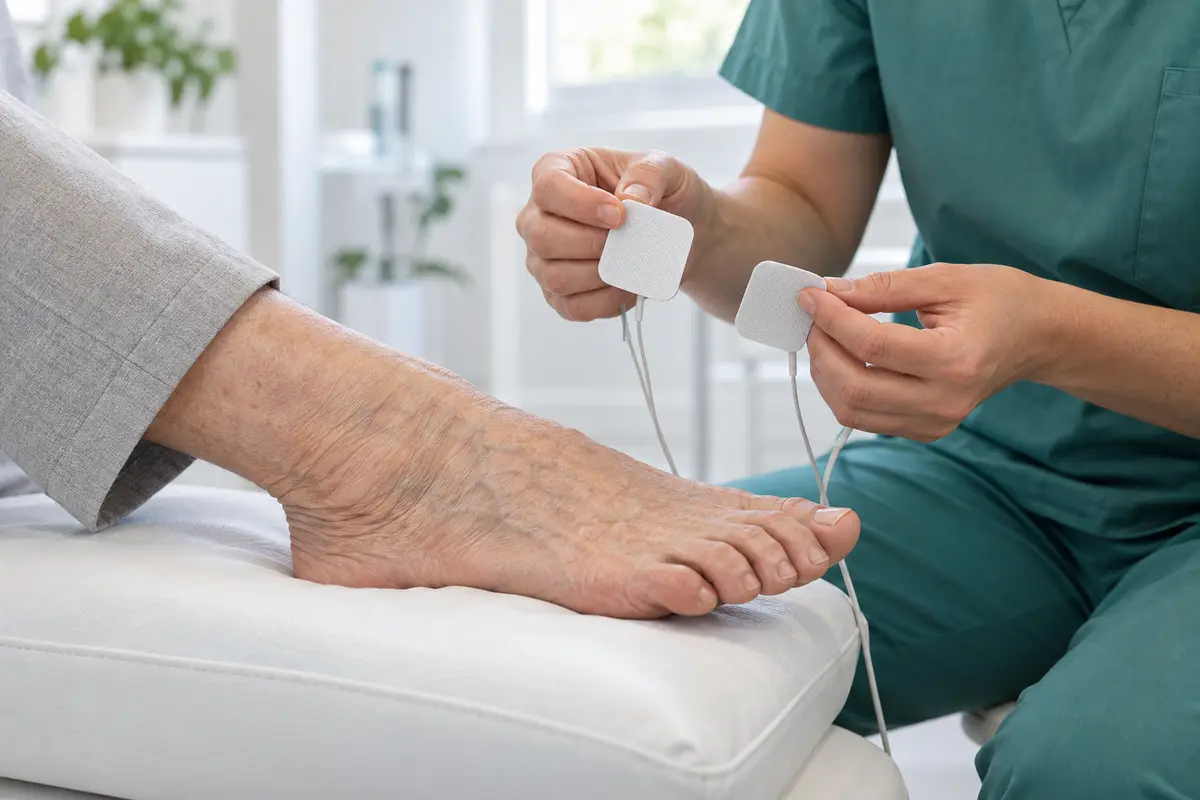 Sweat-gland response
Why circulation matters
Blood carries oxygen and nutrients to the tissues in your legs and feet. Reduced circulation deserves attention—especially when you are living with diabetes.
PAD can narrow the arteries supplying your legs. Cramping or heaviness during walking that eases with rest may be a reason to ask about testing.

Poor circulation can make wounds harder to heal. Loss of sensation from neuropathy can also make an injury easier to miss. Both deserve an appropriate assessment.

PAD can signal plaque buildup in other arteries, including those serving the heart and brain. This is why PAD is associated with higher heart attack and stroke risk.
Circulation testing helps guide evaluation. It does not predict when a heart attack or stroke will happen.
Three complementary assessments
Different measurements answer different questions. Your provider selects the tests appropriate for your symptoms and health history.
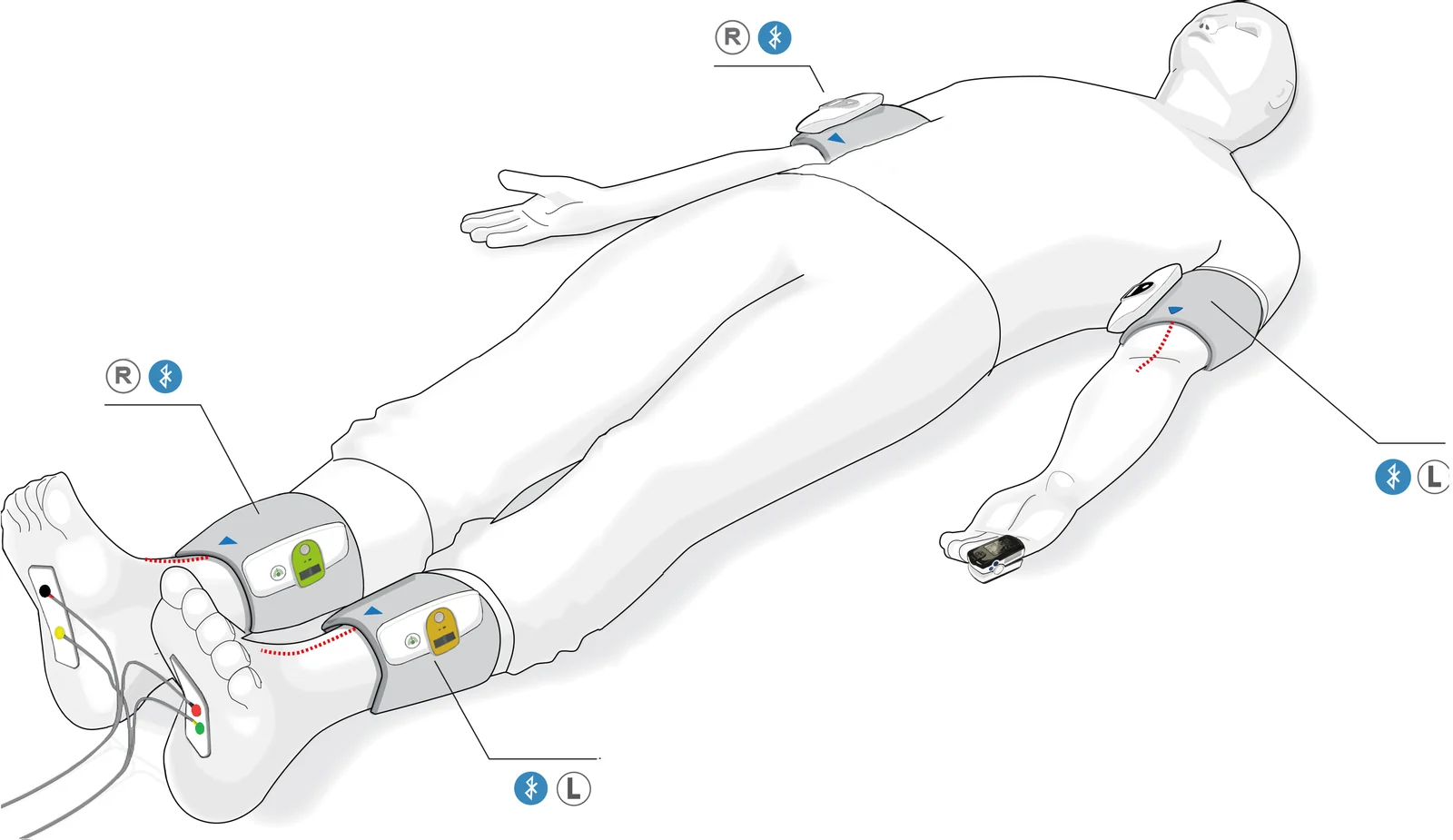
TBL-ABI · Ankle-brachial index & pulse volume recording
Cuffs compare pressure at the ankles and arm and record pulse-related volume changes. These measurements help your clinician assess circulation and evaluate possible peripheral artery disease (PAD).
OXI_W · Pulse waveform & heart rate variability
A finger sensor records pulse and oxygen saturation. Analysis of the pulse waveform and beat-to-beat timing provides information related to small-vessel circulation and the nerves that regulate automatic body functions.
SWEATC · Sudomotor assessment
Disposable skin electrodes assess the response associated with sweat-gland function. This adds information about autonomic function to a nerve-health evaluation.
Your results are part of a clinical evaluation. These measurements do not replace a physical examination or every type of vascular or nerve test.

Listen to the changes you notice
Ask our team about an evaluation if you notice:
Your provider also considers diabetes, smoking history, blood pressure, cholesterol, age, and other health factors. Having a risk factor does not automatically mean you need every test.
Learn about neuropathy careConnecting testing with diabetes care
Insulin resistance means your body is not responding to insulin as well as it should. It can occur alongside high blood pressure, unhealthy cholesterol levels, and other metabolic concerns.
TM Flow does not directly measure insulin or establish an insulin-resistance diagnosis. We consider circulation and autonomic findings alongside your history, examination, and appropriate laboratory testing.
Explore our insulin resistance program
A1C and fasting glucose—and sometimes an oral glucose tolerance test—help assess prediabetes and diabetes. Your clinician may also review blood pressure and cholesterol.
See our diabetes careA clear, guided process
 1
1Discuss your symptoms, health history, medications, and concerns. Your provider decides which tests fit your needs.
2The team explains the process and places the appropriate cuffs and sensors. Measurements may include resting, guided breathing, or position changes.
3Your clinician reviews the findings with your examination and any relevant labs, then explains what they mean for you.
 4
4Discuss follow-up, additional testing or referral when needed, and how the findings fit into your diabetes and foot-care plan.
Before you arrive: Ask about preparation, visit length, and costs. Bring your medication list and tell the team about any implanted devices or existing wounds. Follow your care team’s instructions about medicines, food, and drinks.
Before your appointment
Clear information helps you feel prepared.

TM Flow combines blood-pressure measurements, a finger sensor, and skin electrodes to gather information about circulation and autonomic function. Your clinician selects the appropriate tests and interprets the findings alongside your symptoms, examination, and health history.
The TM Flow measurements described here use sensors and cuffs on the skin; they do not require a blood draw. You may feel pressure as the cuffs inflate. Separate laboratory tests may be recommended as part of your evaluation.
TM Flow does not directly measure insulin levels or replace a metabolic evaluation. Its circulation and autonomic measurements can inform a broader discussion of your health. Blood tests such as A1C, fasting glucose, and sometimes an oral glucose tolerance test are used to evaluate prediabetes or diabetes.
They cannot tell whether or when a heart attack or stroke will occur. PAD can be a sign of artery disease elsewhere in the body, so an abnormal circulation assessment may lead your provider to review your overall cardiovascular risk and recommend further evaluation.
Our team will explain the preparation and time needed for your prescribed tests when scheduling. Bring your medication list and tell us about implanted devices, existing wounds, and other medical conditions. Do not stop medications or fast unless your care team gives you specific instructions.
Your clinician explains the findings and decides whether you need additional testing, a specialist referral, or changes to your care plan. Results are interpreted in context; a single measurement does not explain every cause of pain, numbness, or poor healing.
Coverage depends on the tests ordered, the reason for testing, your benefits, and any authorization requirements. Ask our team to review coverage and expected costs before your visit.
A suddenly painful, cold, pale, or numb foot needs urgent medical attention. Do not wait for a routine testing appointment.
Device information is based on LD Technology’s product catalog and component descriptions. General health information is supported by NIH resources. Testing and follow-up are individualized by your treating clinician.
READY WHEN YOU ARE
Our team can help you understand available testing options and coordinate the appropriate next step based on your healthcare needs.
Book Appointment